
Grab a cup of tea and let’s talk all things womanhood.
Maybe you’re reading this in bed, or at the kitchen table, or in the ten quiet minutes before everyone else wakes up. Wherever you are, I want to ask you a question that’s been sitting with me all week:
When was the last time you rested without explaining it to anyone, including yourself?
Not rest because you were sick. Not rest because you’d “earned” it. Not rest wrapped up as self-care with a product attached. Just rest, because you’re a human being with a body, and bodies need it.
If you had to think about it for a while, you’re not alone. And I don’t think that’s a personal failure. I think it’s a very old story.
The women who were ordered to rest
In the late nineteenth century, an American doctor called Silas Weir Mitchell became famous for something he called the “rest cure”. It was prescribed mostly to women diagnosed with nervous exhaustion, hysteria or what was then called neurasthenia. Women who were anxious, low, overwhelmed or simply restless in the small lives they’d been given.
The treatment sounds almost gentle until you look closer. Women were confined to bed for weeks, sometimes not allowed to sit up, read, write or see their families. They were fed large amounts of milk and food, massaged, and kept from any form of intellectual effort. The idea behind it was that a woman’s nerves were fragile, and that thinking, creating and ambition were what made her ill.
The writer Charlotte Perkins Gilman went through a version of this cure and was advised, afterwards, to live as domestically as possible and to stay away from writing. She later said it nearly drove her to the edge of her sanity. Out of that experience she wrote The Yellow Wallpaper in 1892, a short story about a woman slowly unravelling in a room she isn’t allowed to leave. Virginia Woolf was also prescribed rest cures, and wrote about them with the same bitterness. If you’ve read Unwell Women by Elinor Cleghorn, you’ll know how often women’s bodies and minds were “treated” in ways that were really about keeping them in place.
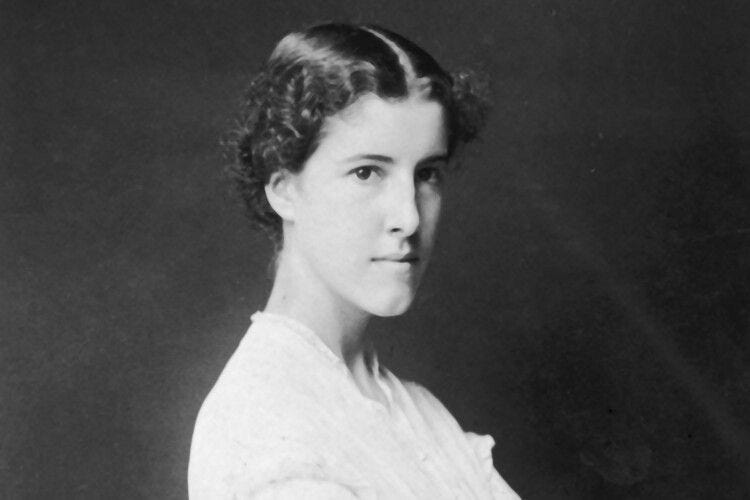
Charlotte Perkins Gilman
I keep thinking about that. Here was a form of rest that wasn’t rest at all. It was silence, imposed from the outside. Rest as a way of making women smaller.
And the women who were never allowed to rest
At exactly the same time, of course, the women washing those patients’ sheets, cooking their milk puddings and raising other people’s children were getting no rest at all. Rest has always been divided along lines of class, race and money. For many women, being “too delicate to work” was a luxury they’d never be offered.
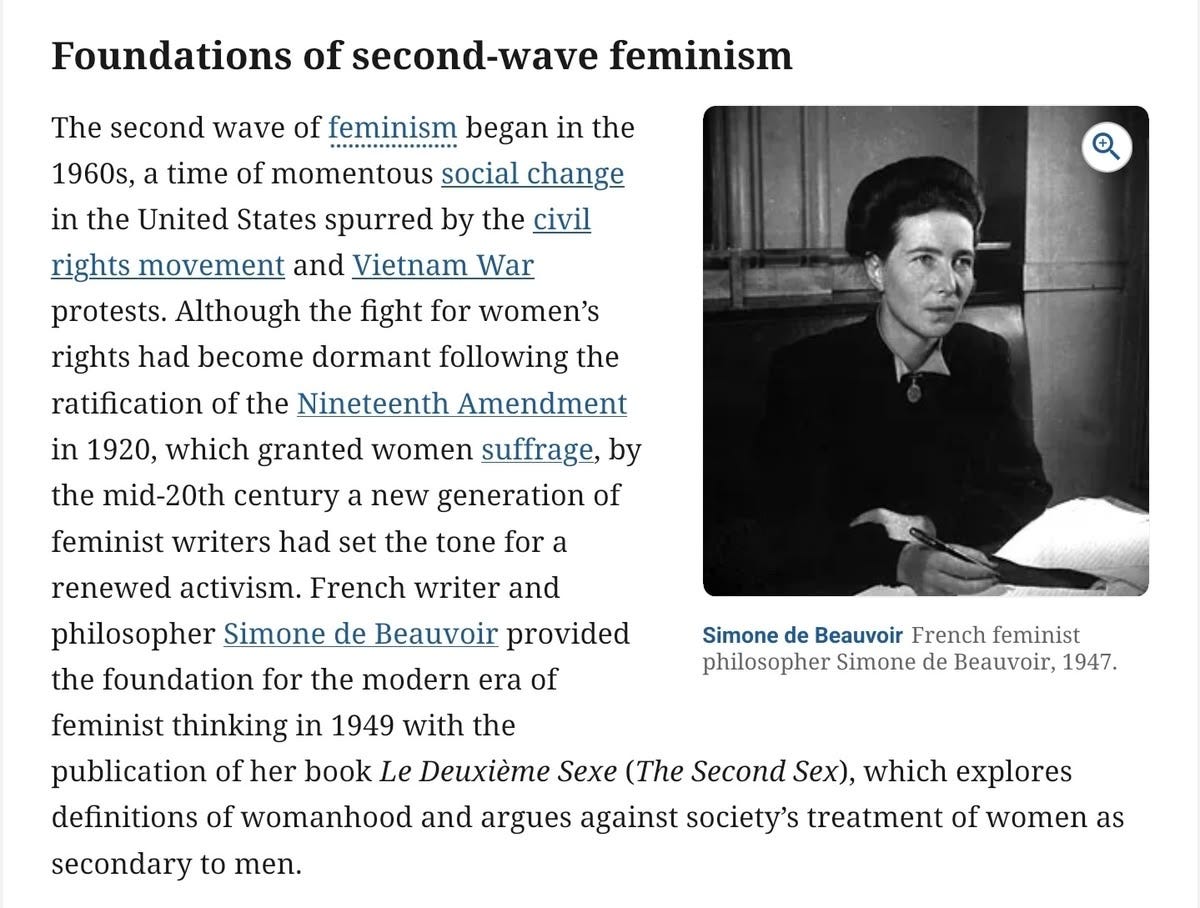
In 1989, the sociologist Arlie Hochschild gave a name to something many women already felt in their bones: the second shift. Women had entered the workforce, but the housework, the childcare and the emotional labour of keeping a home running hadn’t left. They’d simply been added on top.
So here’s the strange double inheritance many of us carry. On the one hand, a history where rest was used to control women. On the other, a reality where rest was something women were never quite allowed to have. No wonder lying on the sofa on a Saturday afternoon can feel complicated.
Rest as resistance
In the last few years, I’ve been really moved by the work of Tricia Hersey, founder of The Nap Ministry, and her book Rest Is Resistance. Her argument, very simply put, is that a culture built on endless productivity treats our bodies like machines, and that choosing to rest is a way of refusing that story. Rest, for her, is not a reward for work or a way to be more productive afterwards. It’s a reclaiming of our own humanity.
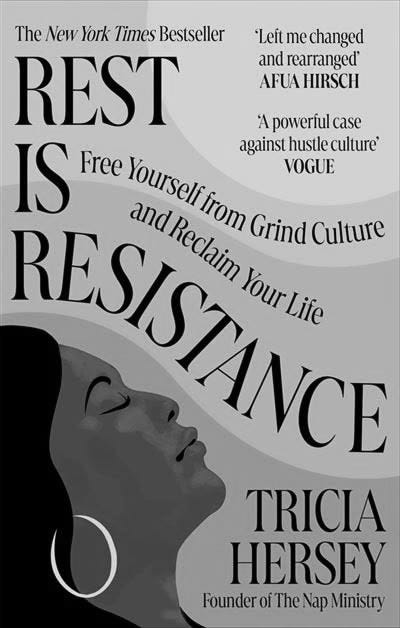
recommended read
The theologian Walter Brueggemann makes a similar point in Sabbath as Resistance. He describes the Sabbath not as a list of religious rules, but as a weekly act of defiance against a world that measures people by what they produce. One day in seven, you stop. Not because the work is finished, but because you are more than your work.
This is the part that moves me most as a woman of faith. In the creation story, God rests on the seventh day. Not because he’s tired, but because rest is woven into the very rhythm of creation. Rest isn’t the gap between the important parts. It’s part of the design.
The Jewish philosopher Abraham Joshua Heschel described the Sabbath as a palace in time: a space we don’t build with our hands, but enter. I love that image. A sanctuary we don’t have to earn, only step into.
The difference between being made to rest and choosing to rest
So what separates the rest cure from rest as resistance? I think it’s this: who is holding the pen.
The women of the rest cure were told to lie down so they would stop thinking, stop creating, stop wanting. The rest Tricia Hersey and the Sabbath tradition talk about is the opposite. It’s the kind of rest that gives you back to yourself. Where your thoughts can finally surface. Where you hear your own desires again. Where you remember who you are when no one needs anything from you.
Forced rest makes a woman smaller. Chosen rest makes her whole.
And I wonder if that’s why rest can feel so threatening, even to ourselves. A rested woman thinks more clearly. She notices what isn’t working. She says no more easily. She takes up a little more space.
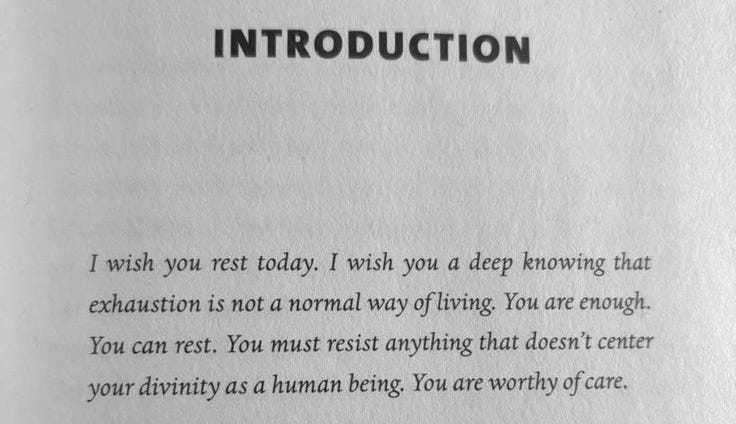
Questions to sit with this weekend
I don’t have a neat conclusion for you, and I don’t think I’m meant to. So instead, here are a few questions to take with your tea:
What did the women before you, your mother, your grandmother, teach you about rest, with their words or their lives?
When you rest, whose voice do you hear telling you that you shouldn’t?
What would a rest that is truly chosen look like for you this weekend?
And if rest is part of how you were designed, what might change if you stopped treating it as optional?
Maybe the most radical thing you can do today isn’t another productive Saturday. Maybe it’s closing this tab, putting your feet up, and letting yourself simply be.
With love, Ninalotte
I’d love to hear where these questions take you. Leave a comment, or reply to this email. I read every single one.