
There’s a week each month when many of us feel thinner-skinned. The tears come sooner, the cravings are louder, the patience runs shorter. We often greet that week with a sigh, as if it’s something to survive.
What if we met it with a plate instead?

What the science whispers
Calcium isn’t only about bones. It plays a role in how our nerves fire and how our muscles relax, and it seems to matter a great deal for how we feel before our period.
In 1998, researchers gave women with PMS either calcium or a placebo for three cycles. In the calcium group, symptoms dropped by almost half: mood swings, water retention, cravings and pain. The placebo group improved by about a third.
A few years later, a large American study followed thousands of nurses for ten years. The women who got the most calcium and vitamin D from food were noticeably less likely to develop PMS at all.
So it isn’t magic. But it’s a quiet, steady kind of support, and that’s what Daily Bread is all about.
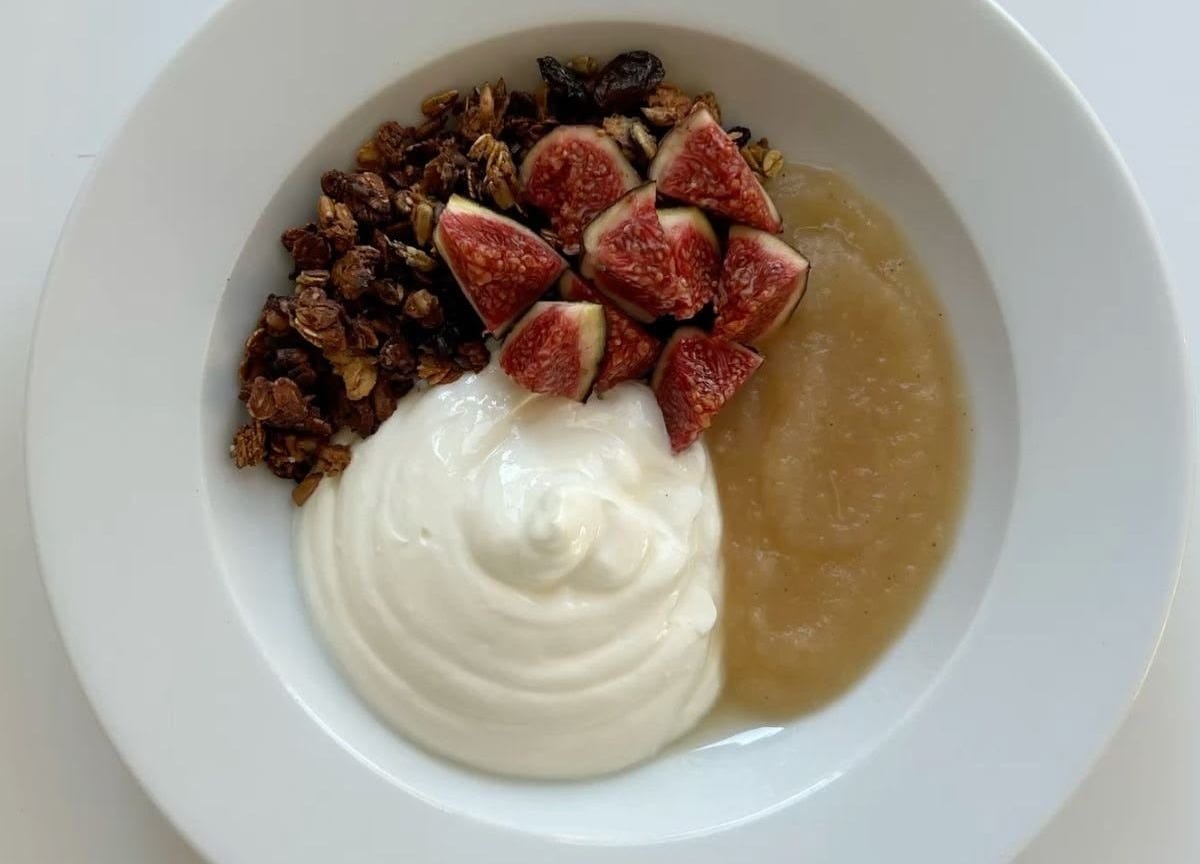
This week’s ritual: one calcium food at every meal
Pick one calcium-rich food for each meal this week, especially in the days before your period:
Breakfast: plain yogurt or kefir, with a spoonful of tahini drizzled on top
Lunch: a big handful of greens like kale, rocket or broccoli, with a sprinkle of sesame seeds
Afternoon: a small handful of almonds
Dinner: sardines with their soft bones or white beans
Adults need roughly 950 to 1,000 milligrams a day. Spinach is lovely, but its oxalates hold on to much of its calcium, so don’t count on it alone.
Before you eat, pause for one breath and say a little thank-you for this body that carries you, cycle after cycle. Devotion, not discipline, always.
Bonus: homemade eggshell calcium powder
This one feels like something our grandmothers would have known. An eggshell is almost pure calcium carbonate, and the powder is about 37 to 39% calcium. One gram of powder holds roughly 370 milligrams of calcium, so a single shell gives you more than you might expect.
How to make it:
Collect the shells of about a dozen eggs, organic if you can. Rinse them well, and leave the thin inner membrane on.
Boil the shells for 10 minutes. This matters, because raw shells can carry bacteria such as Salmonella.
Spread them on a baking tray and dry them in the oven at 120°C. In one study, researchers used two hours at that temperature to make the powder sterile.
Let them cool, then grind them in a coffee or spice grinder until they’re as fine as flour. Sieve out any gritty bits, because sharp fragments don’t belong in your throat.
Store the powder in a clean, airtight glass jar.
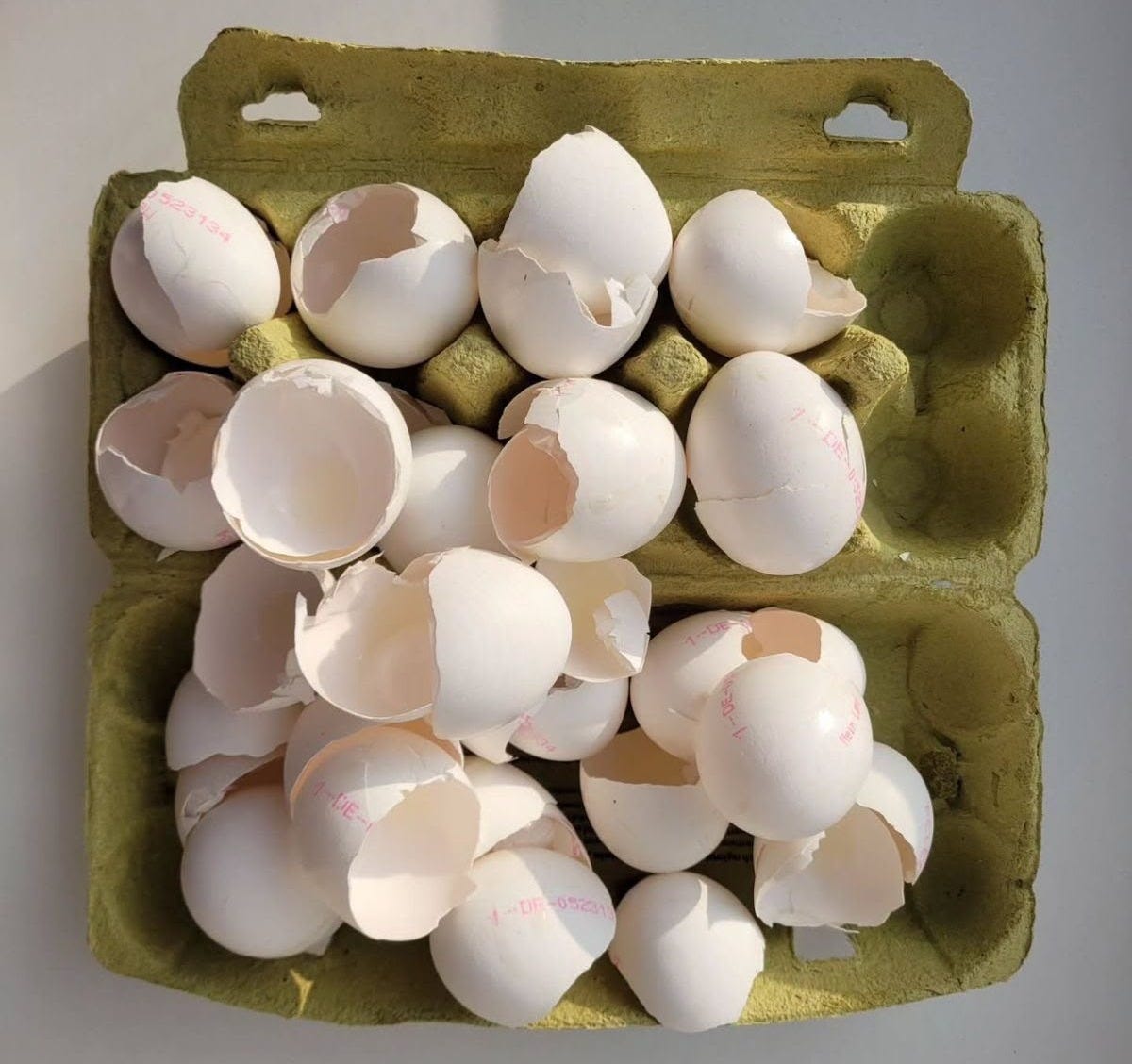
How to use it: Start with a small pinch, about a quarter of a teaspoon, stirred into a smoothie, yogurt or soup. A squeeze of lemon helps, since calcium carbonate dissolves best with a little acid and is best taken with food.
A gentle word of care: More isn’t better. The European upper limit for calcium is 2,500 mg a day from all sources combined. If you have kidney stones, take thyroid medication or iron supplements, or are unsure, check with your doctor first. Calcium can affect how some medicines are absorbed.
This week
One calcium food per meal. One breath of gratitude. One little jar on your shelf that turns breakfast leftovers into nourishment.
Your body was never the problem. Sometimes it just needs to be fed with a little more intention.
With love,
Ninalotte
This was an interesting read. I’m going to try and implement some more calcium