
The clocks went back this weekend. Suddenly it's dark when we close the laptop, the streetlights come on before dinner, and our bodies quietly ask the same question every autumn: is it time to slow down?
In a way, yes. Winter is a season of turning inward, and I love it for that. But there's one thing I want to protect fiercely in these months, because it shapes almost everything else: morning light.

Why your body needs to see the morning
Deep in your brain sits a tiny master clock that sets the rhythm for your sleep, your hunger, your mood, your body temperature and your hormones. That clock doesn't know what time it is. It has to be told, every single day, and the strongest message it can receive is light hitting your eyes in the morning.
When that message arrives early and clearly, your body knows when to be awake and alert, and, about fourteen to sixteen hours later, when to start releasing melatonin so you can fall asleep. When it doesn't arrive, because we go from a dark bedroom to a dimly lit kitchen to a screen, the clock drifts. We feel groggy in the morning, wired at night, and somehow tired all day.
And here's the part most of us don't realise: even a grey, drizzly Belgian morning outside is many times brighter than the lights in your home. Your window helps a little. Outside helps a lot.
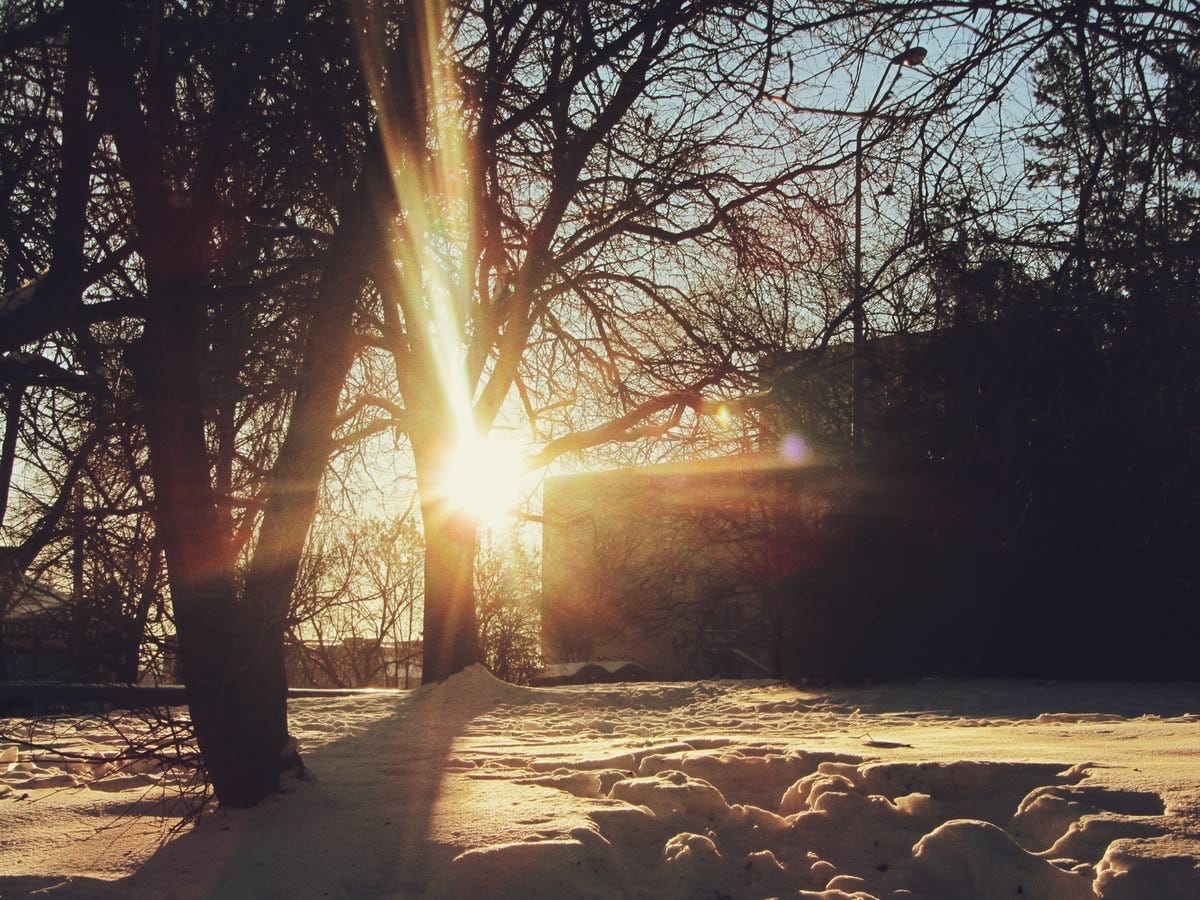
The ritual: fifteen minutes of morning
This week, I'd love for you to try this, every day, within the first hour after waking:
Step outside before you look at your phone. Make your tea or coffee, put on a warm coat and go outside, even if it's just your doorstep or balcony. No sunglasses.
Stay for ten to fifteen minutes. On cloudy days, stay a little longer. Walk if you can. If you can't go out, sit right by a window and face the light.
Breathe and look at the sky. Not at the sun directly, just the open sky. Notice the temperature, the smell of the air, the birds that are still singing.
Say one sentence of gratitude. Mine this week is from John 1:5: The light shines in the darkness, and the darkness has not overcome it. It feels made for this season. If faith isn't your language, simply name one thing you're looking forward to today.
And when the evening comes
Morning light is only half of the rhythm. The other half is giving your body the darkness it needs at night:
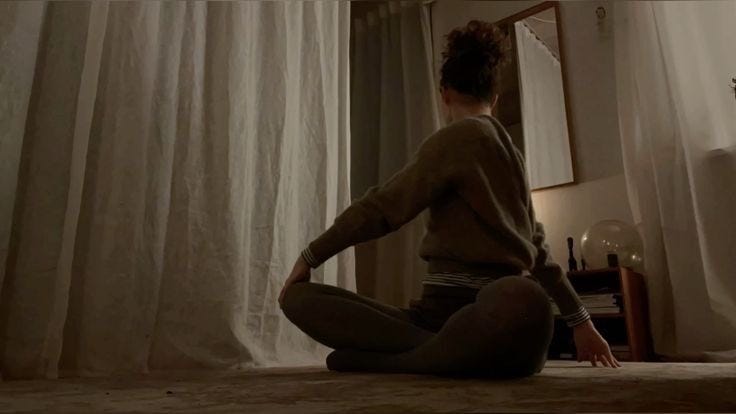
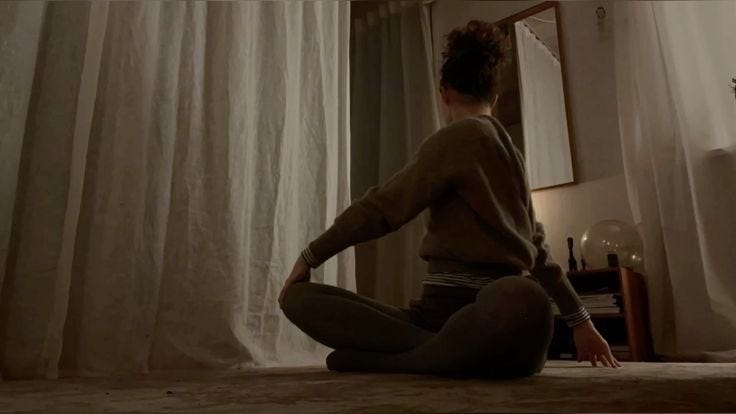
Dim the lights after sunset. Switch off the big ceiling lights and use lamps, candles or warm, low light. Your brain reads bright overhead light as daytime.
Let the screens rest an hour before bed. If that feels impossible, start with thirty minutes.
Eat something warm and nourishing. Soups, stews, slow-cooked meals with good fat and protein. Winter is not the season for cold salads and skipped dinners.
Sleep in real darkness. Thick curtains or an eye mask make a bigger difference than you'd think.
A gentle reminder
If you feel slower in these weeks, that's not a failure of discipline. Your body is responding to a real change in its environment, as it always has. You don't have to fight the season. You just have to give your body the signals it needs to move through it well.
So tomorrow morning, go find the morning. It's waiting for you, even behind the clouds.
With love, Ninalotte
Tell me in the comments: where do you catch your morning light?
I love this, such great reminder 🤍
What do you think about light therapy lamps for those dark early mornings?